
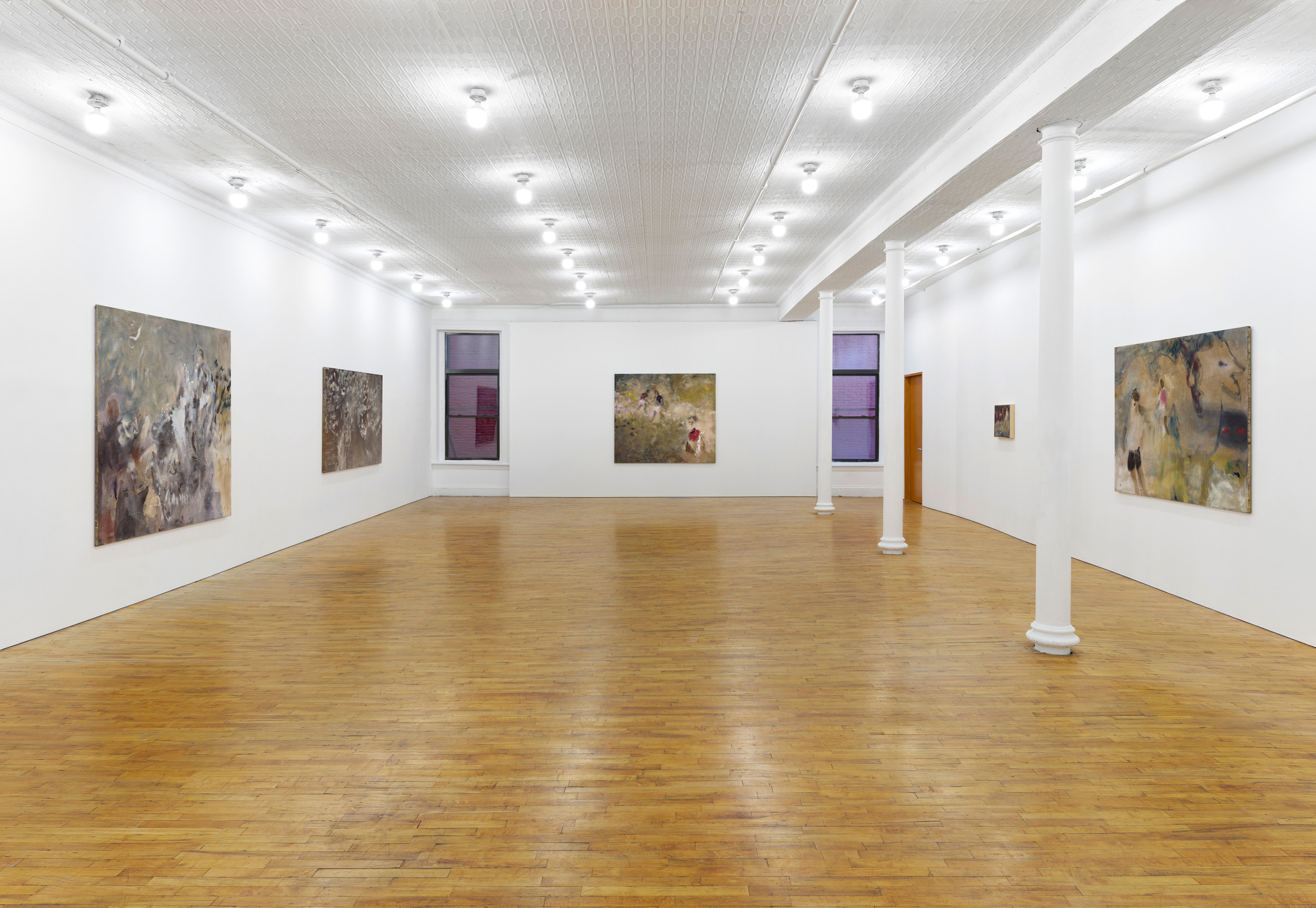
In Esther Kinsky's drift-prone novel River, an Akermanesque narrator strolls the Lea where it runs past the gas-holders at Hackney Wick, sniping canal-bank details through her camera. A dead swan ophelia'd in the reeds, a shopping trolley half-submerged, a sluice gate's rusty tip. While far from the ultramarine of a Fitzcarraldo cover, the marshes that run north from the Thames, through Hackney and Walthamstow, before fraying into Hertfordshire have acquired something of a literary surfeit. Iain Sinclair ambled these precincts on his way to the M25 in London Orbital; Sebald's heirs persist in writing elegies for the allotments cleared for the 2012 Games. Long among the city's working margins, a corridor of reservoirs and gasworks before the Olympic clearances, it became, for a generation priced out of central London, a hinter-glance toward ruderal terrain vague.
From his North London studio, the marshlands Jensen paints abut decommissioned hydraulic landscapes, council blocks by the likes of Lasdun and Lubetkin, chain-link concatenations. J.G. Ballard's concrete trilogy of the mid-1970s (Crash, Concrete Island, High-Rise) surveyed a neighboring brutalism, finding in the motorway interchange and the luxury tower, and in the cross-pollination of pastoral remnant and civic mismanagement, a zone for rewilding by way of human degeneration. While Ballard’s psychogeographic implosions aren't quite of the same ferment as Jensen's immersive phenomenological observance, itself rife with perceptual instabilities, vaporous as a cluster of Ligeti's lux aeterna clouds, they draw from adjacent sensorial and situational reservoirs.
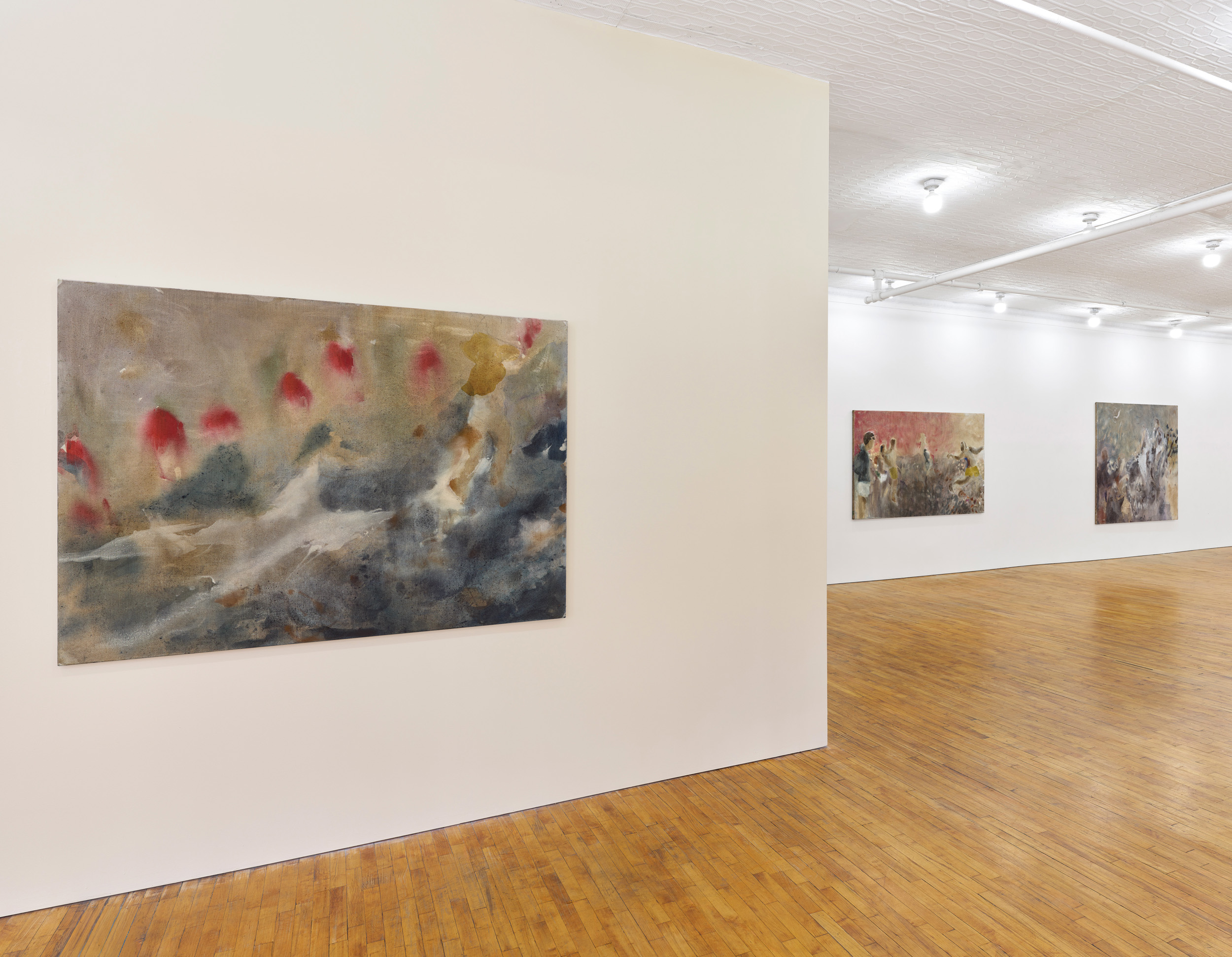
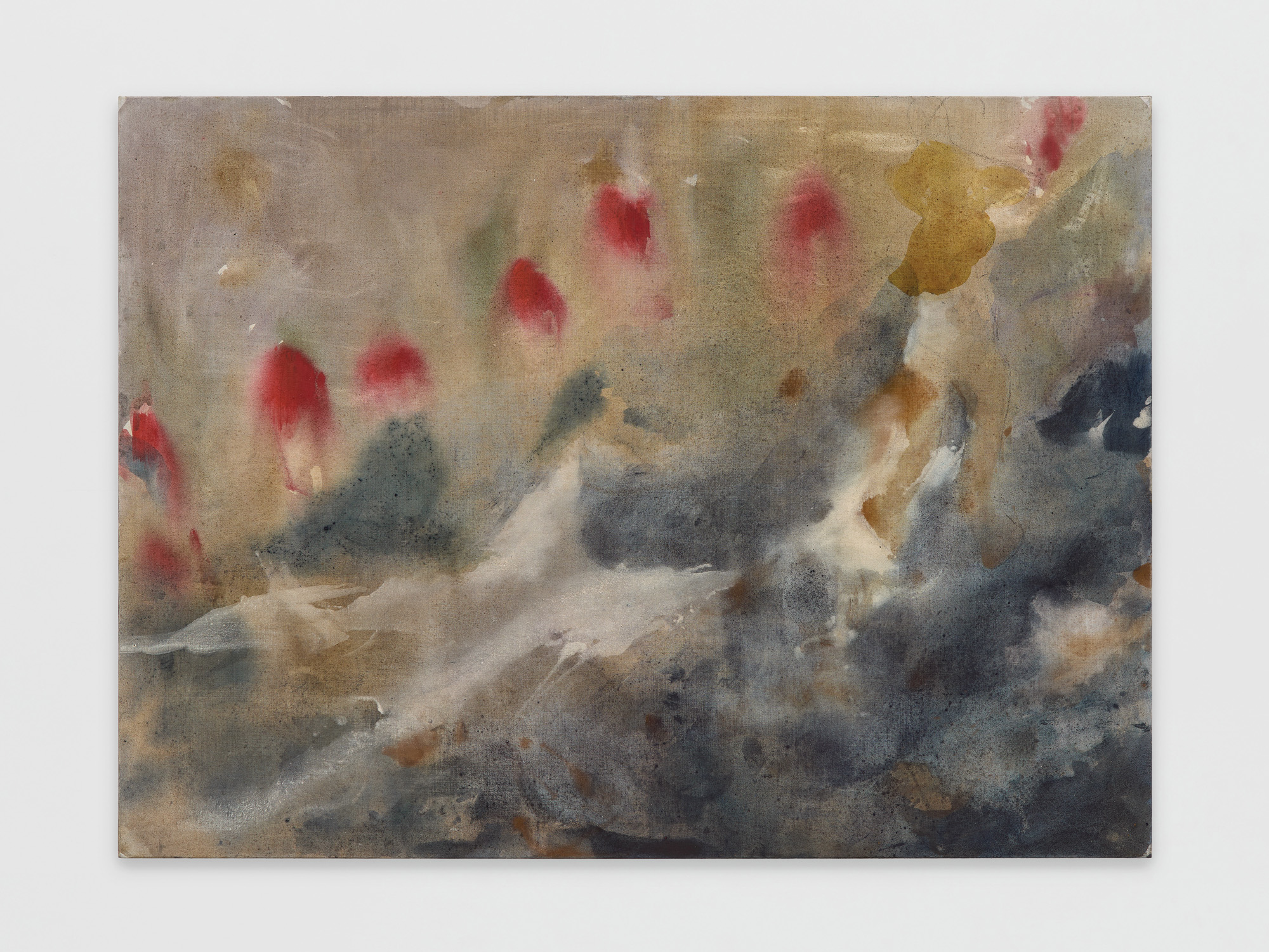
Each canvas begins as a watercolor study, projected onto gessoed linen and further articulated in distemper, its pigments suspended in animal glue or casein, applied wet. The medium is a kind of stain-painting before the fact, the historical means of a mongrel lineage: theatrical backdrops of the 18th- and 19th-centuries hosed off and repainted between productions, the a secco passages of early frescoes, Vuillard's “peinture à la colle” domestic interiors, Walter Sickert's fumous theatre boxes. Effectively, pre-modern to cusp modern. Distemper, in practice, coaxes high speeds and nimbus-soft edges, an absorbency that flattens impermanent depths into stained ground and leaves a mark unstable as London sunshine, readily disturbed by water. It’s a medium alluvial by constitution, dissolvable to touch, wide open to the pull of Jensen’s negative procedures.
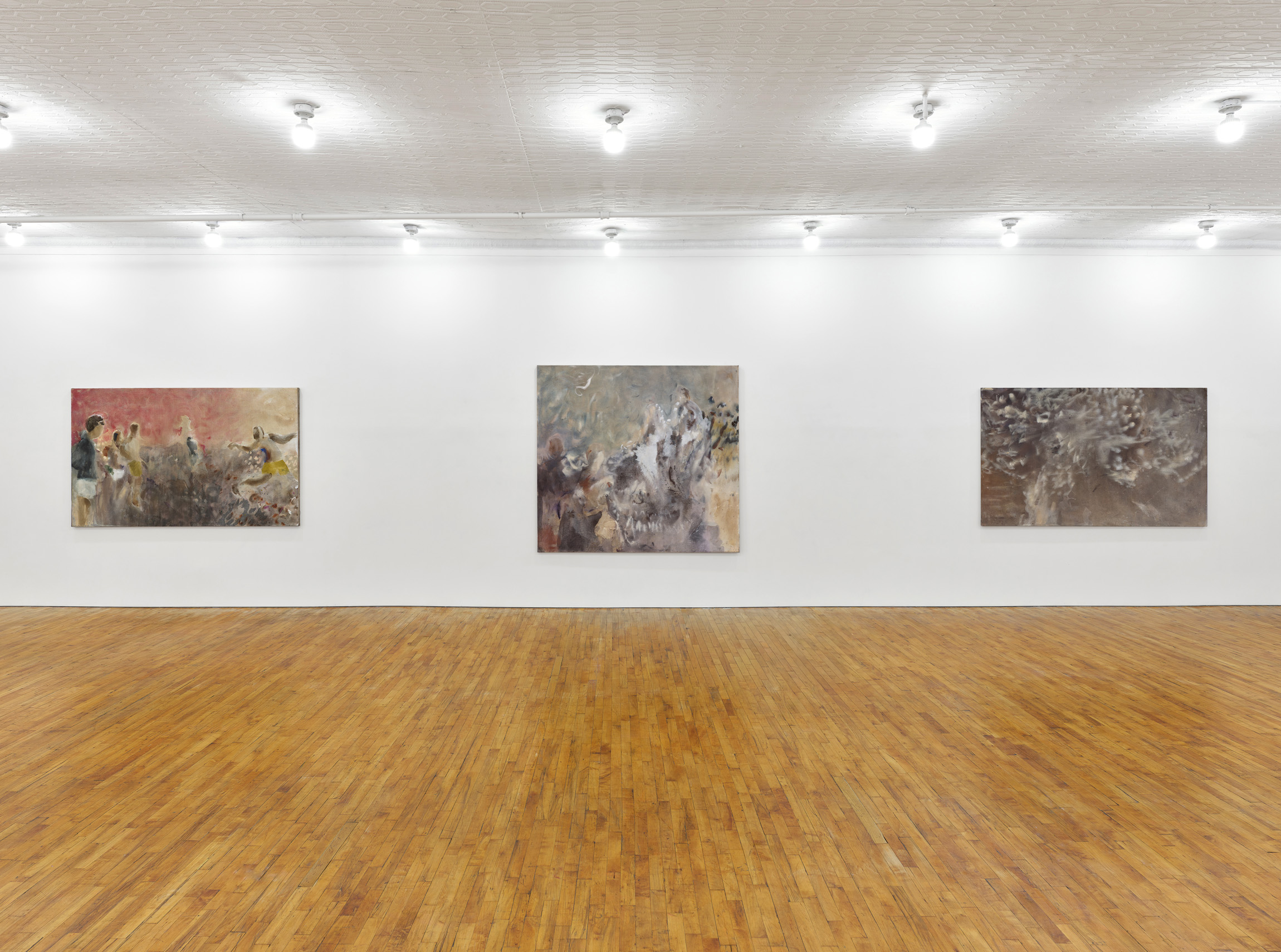
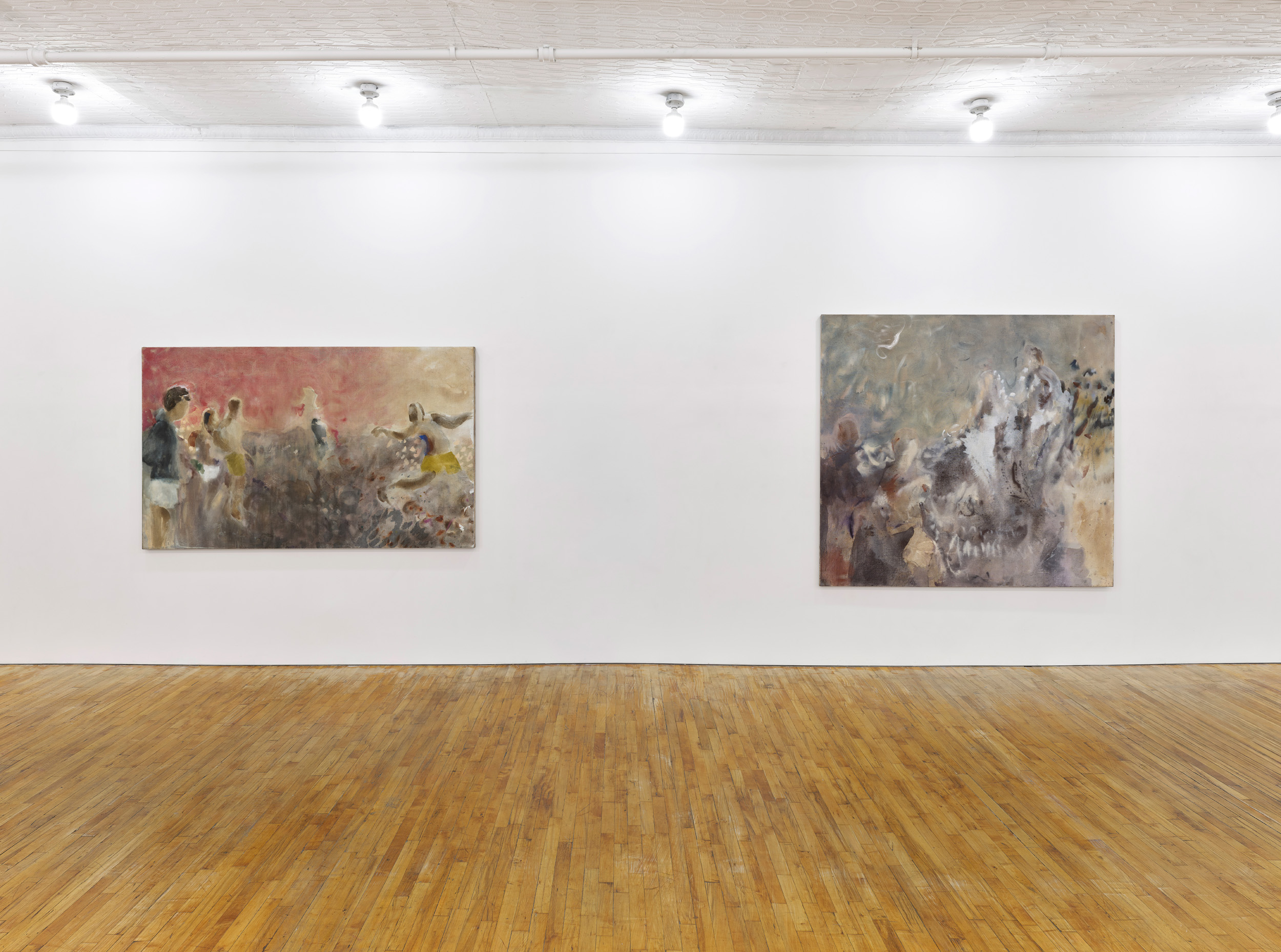
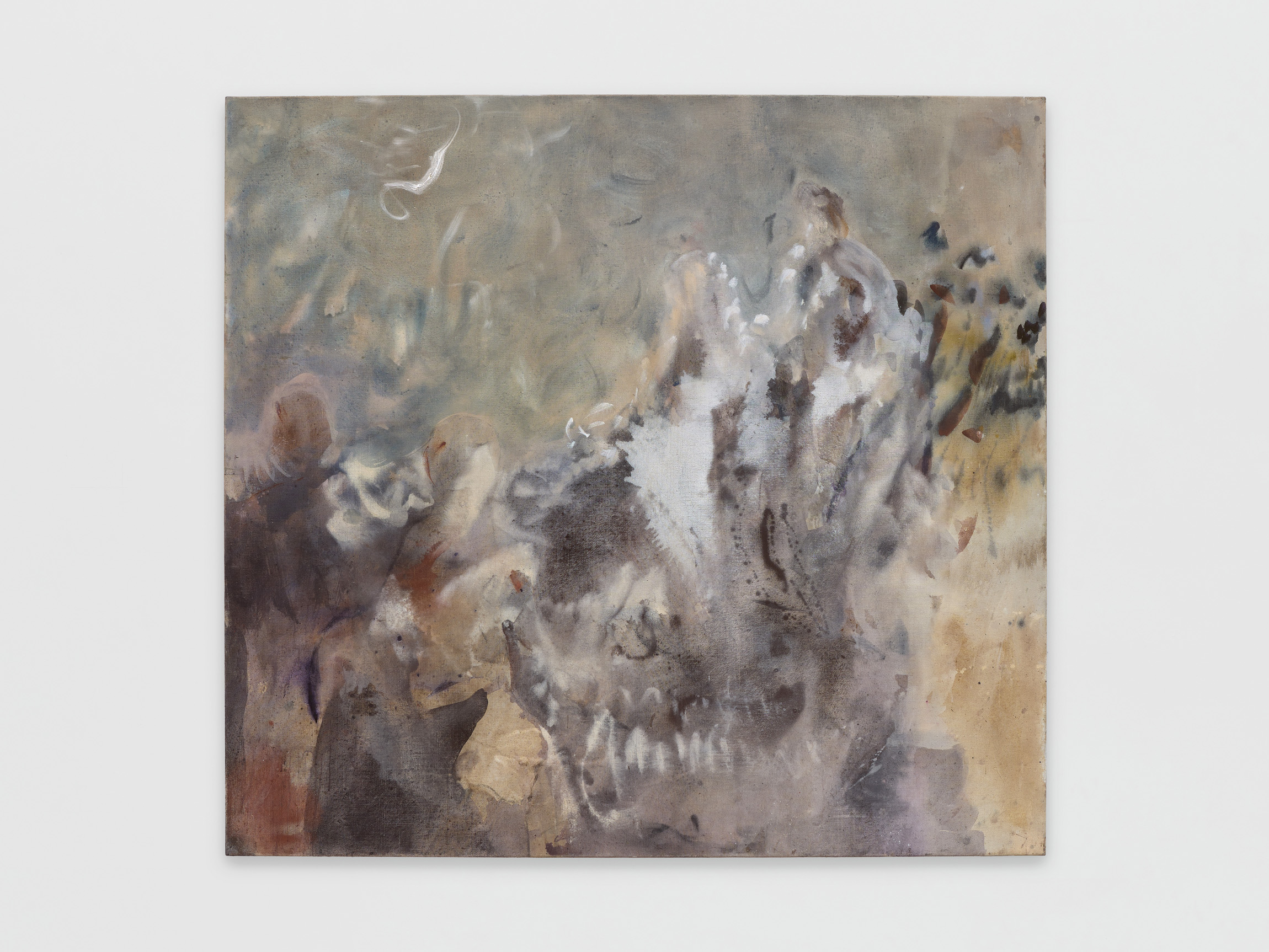
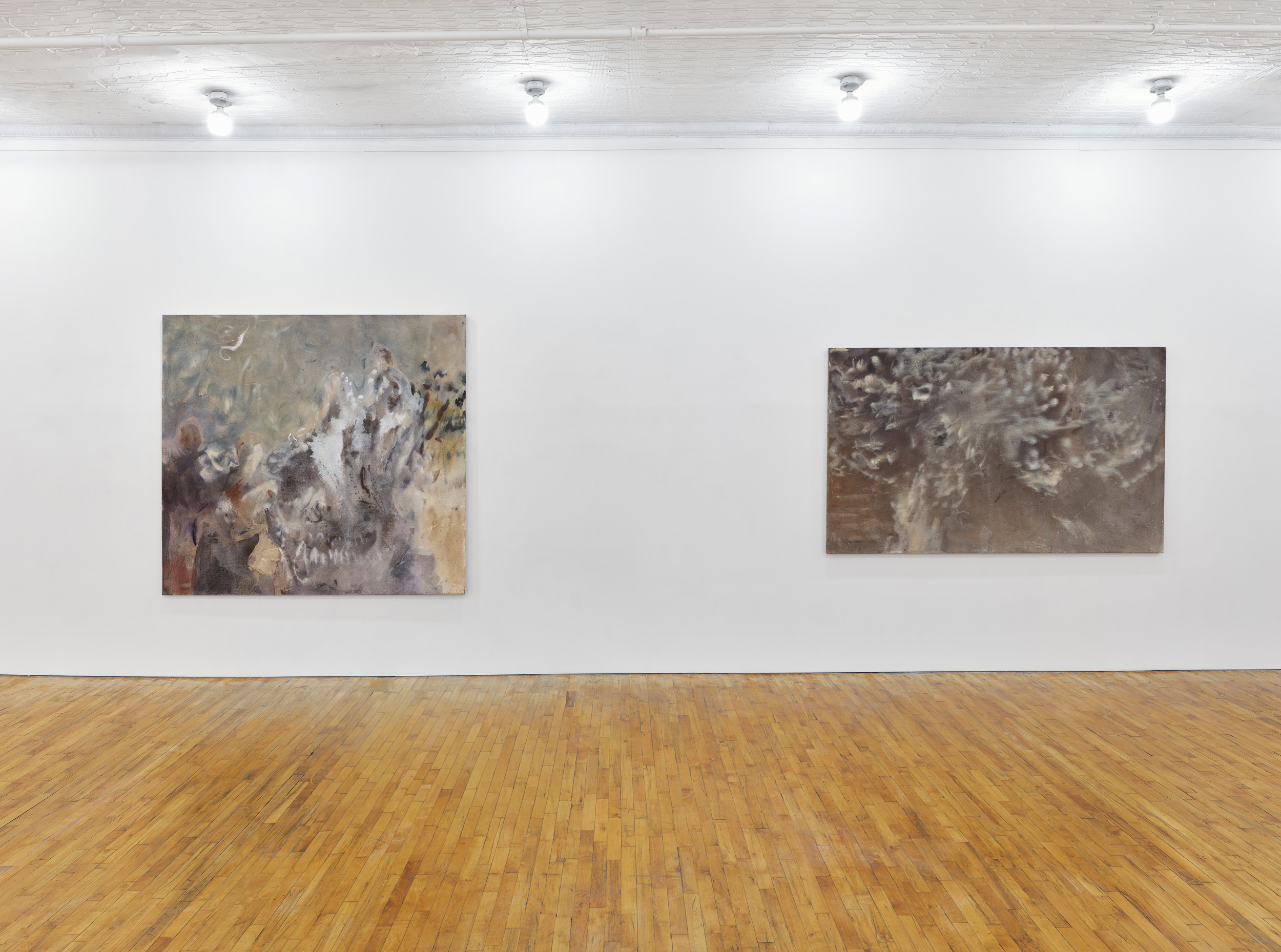
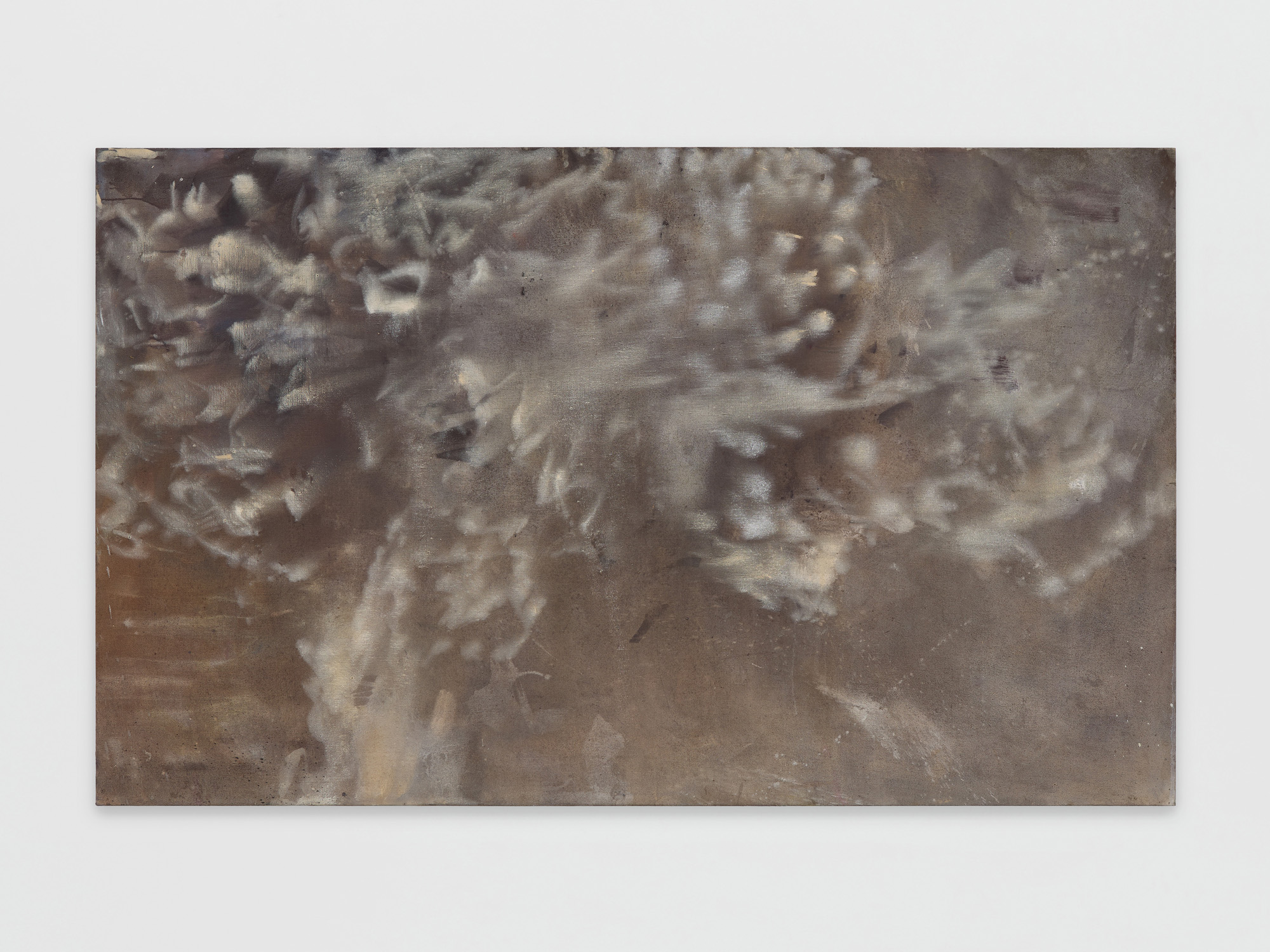
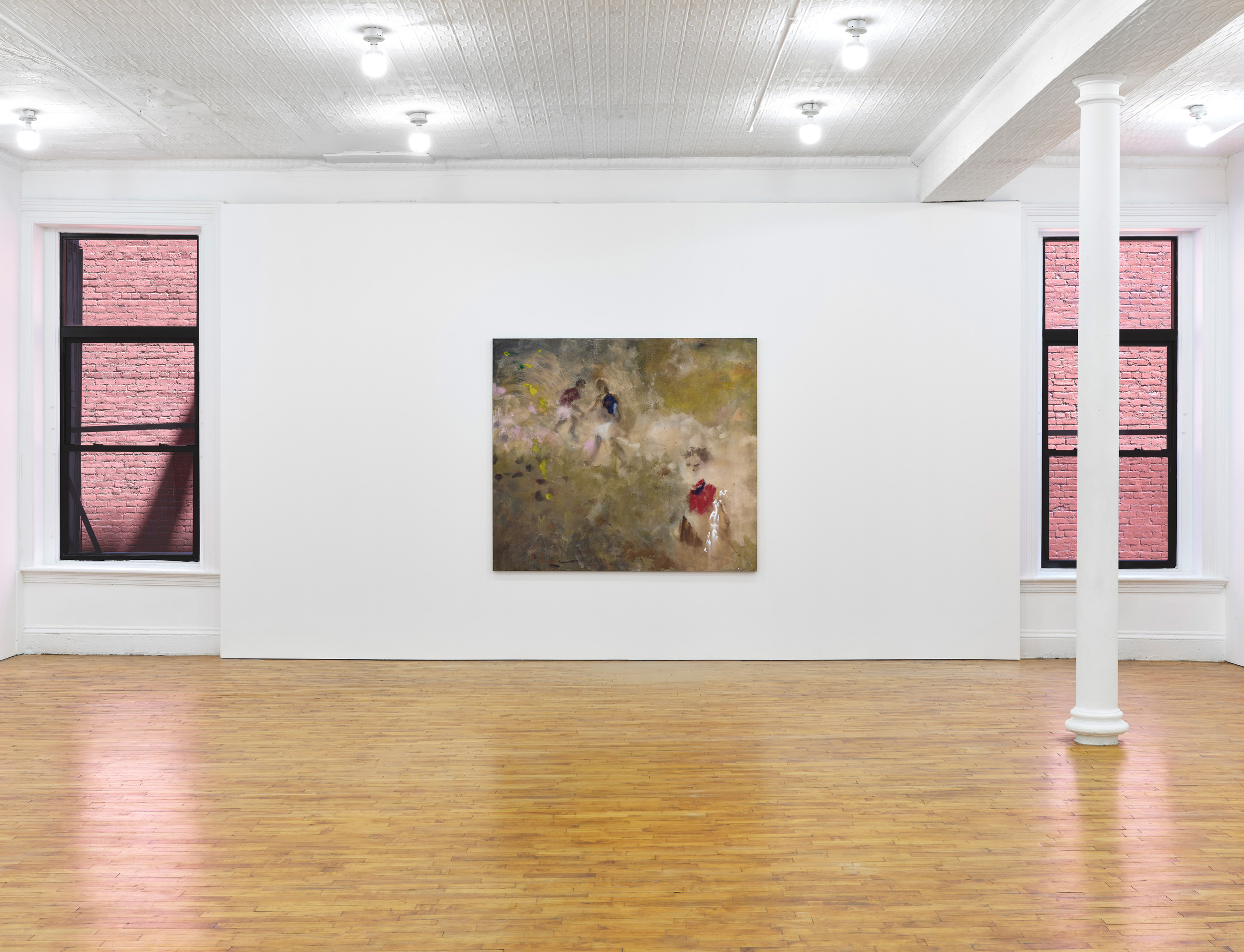
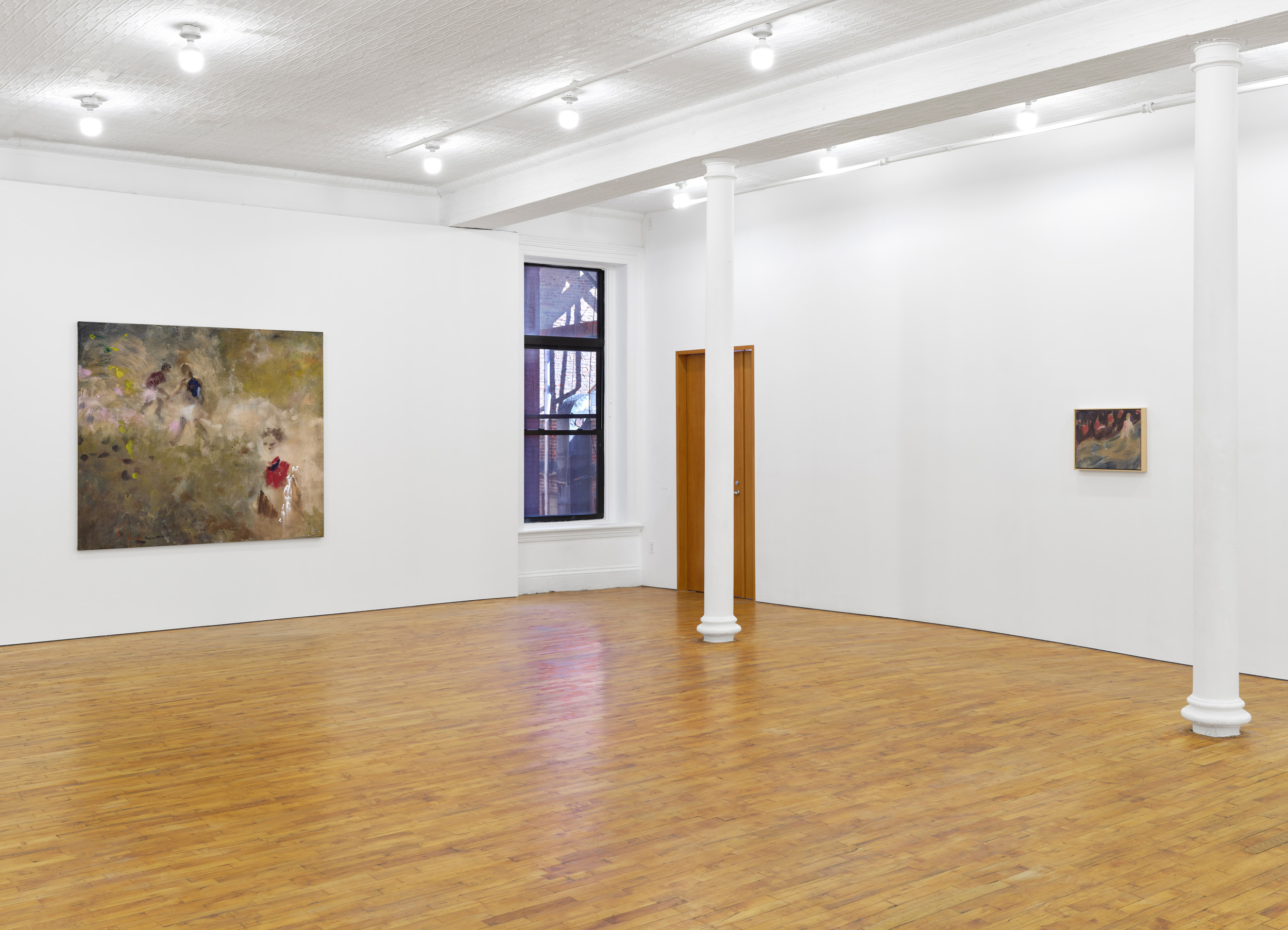
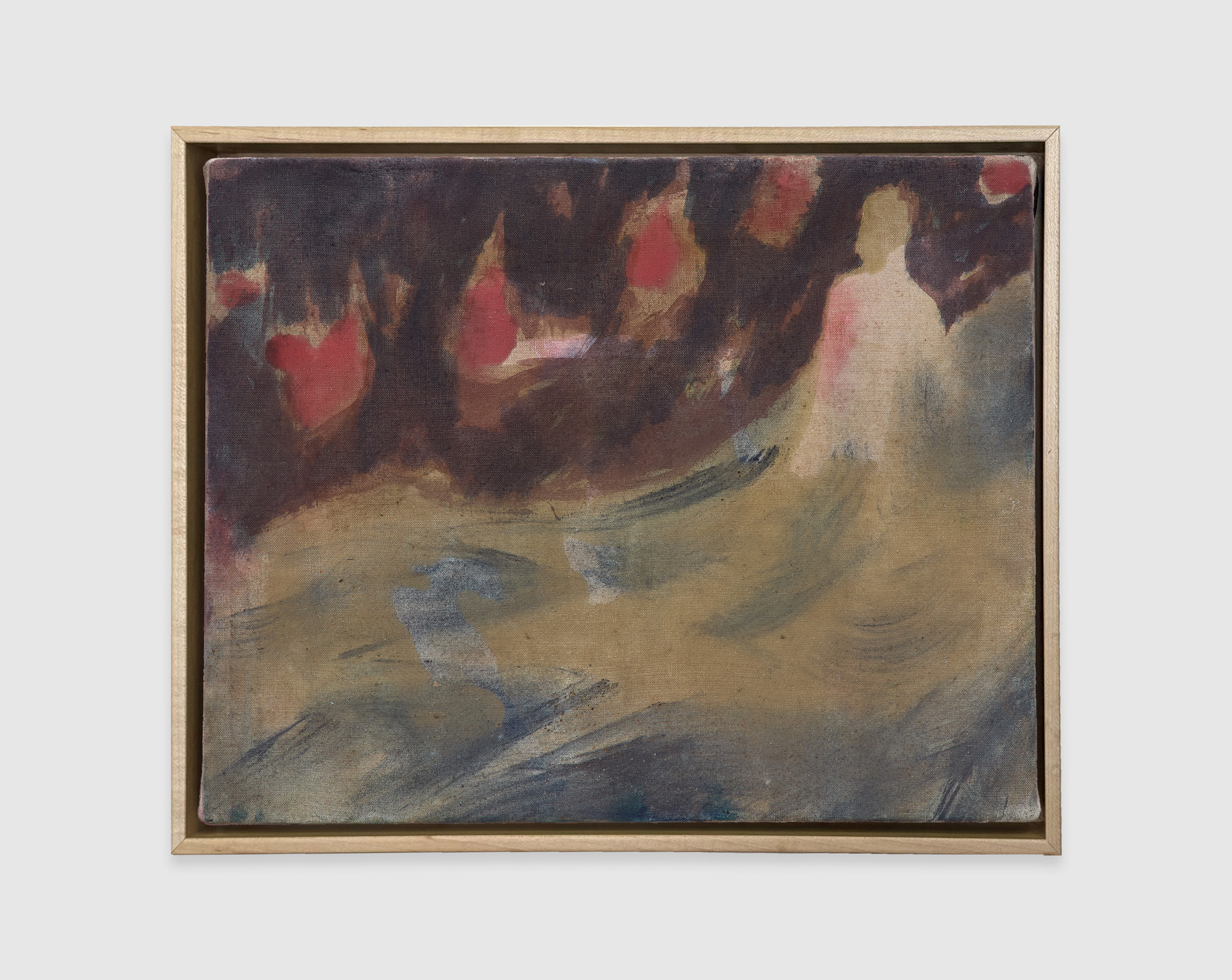
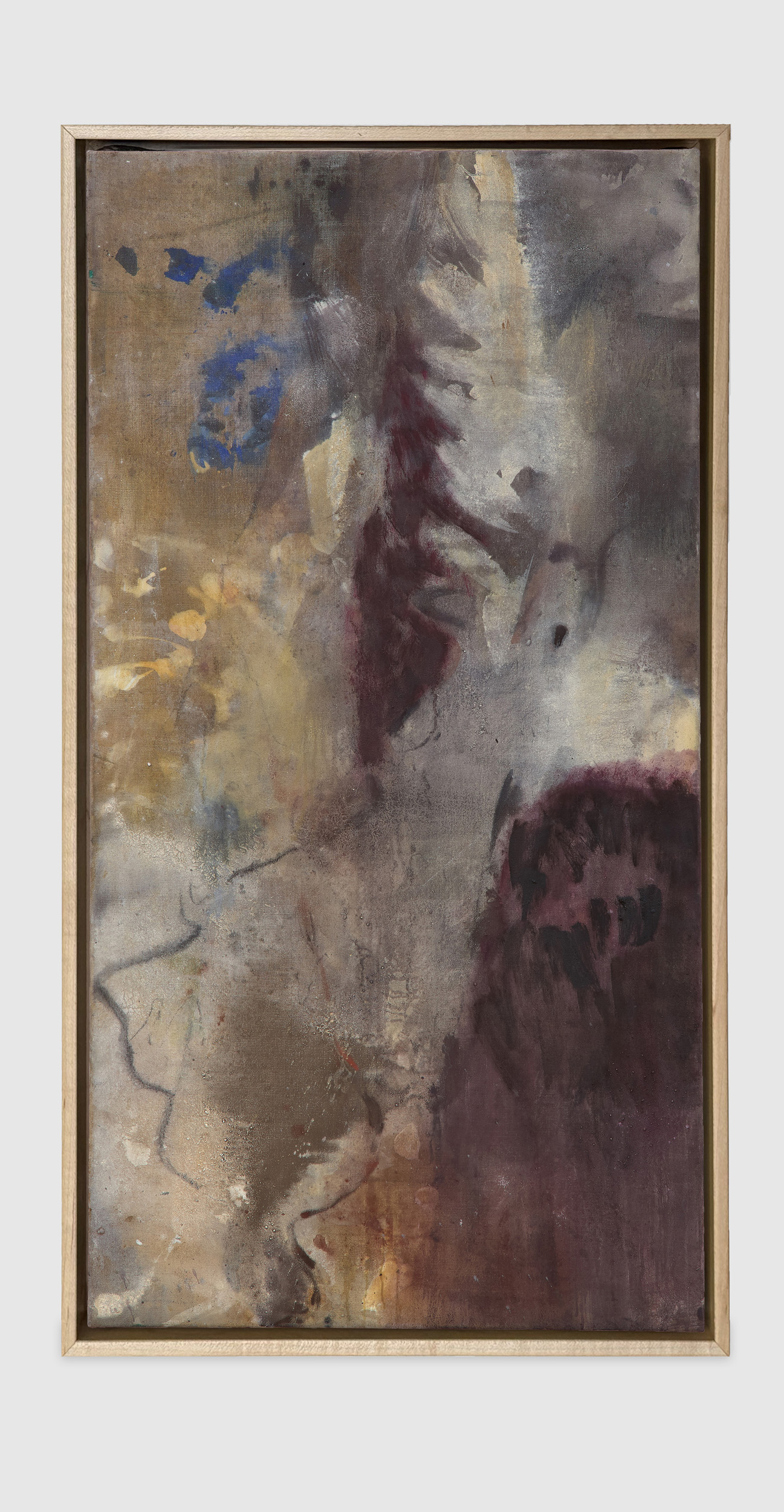
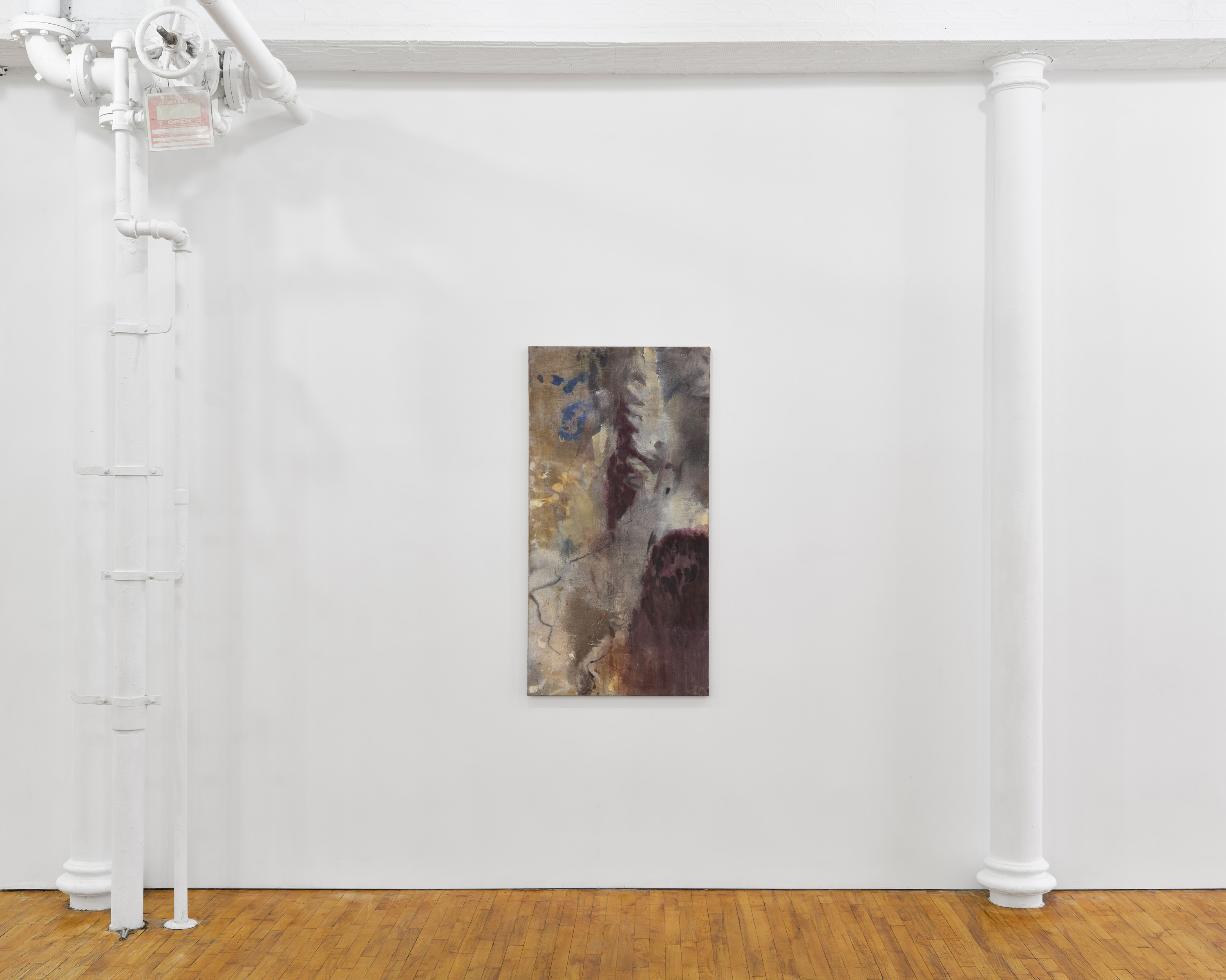
The artist returns to this provisional ground in oil, fixing particulars. Among them, a plume of white scudding through Wild Rush (2026); in both Star on Lea and Star on Lea II (2026), an archipelago of markings like rose hips diffuses over grounds of umber-violet and taupe, respectively. The handling is melancholic, suffused with trans-temporal awareness. Submersive washes are lit at intervals by flares of color, an intercession of city and celestial light caught in water. In the complexity of their subjects and their structure alike, the paintings entangle perceptual memory with art-historical allusion, weltering through atmospheric motifs.
Jensen’s fluidly modulated hues recall the aqueous Intimism of Bonnard’s depictions of Marthe de Méligny, in which canted figure and ground mingle tessellated passages of nude and nacreous color. And, Per Kirkeby: the geologist's strata rifted under the metaphoric agency of auroras, grounding pattern’s intimate dialectic with formlessness amid Nordic sturm und drang. The paintings occasionally approach the densely inhabited surfaces of art brut. Regard, comparatively, the painted scrolls of Carlo Zinelli wherein men and birds cut zagging queues against high-key chromatic registers. Jensen, if more economical with color and more oxygenated in his forms, reminds us of the body's ineluctable involvement in the thought beneath the act of painting, considerations given flight by the exhibition's titular swallow.
If the work accords, generationally, with the post-Doig/post-Dumas figurative tendencies that have run through British painting since the late 1990s, the resemblance is largely epidermal. Where Doig channels the hallucinatory and Dumas the confessional, Jensen holds to the reserved ambience of English weather. In an interview with the critic Francesca Gavin, he has described the paintings' temporality as cinematic, fixing the moment cut just before or after the main action. They turn to Degas: the dancer offstage adjusting a strap, the bather drying a foot. A no less apposite set of coordinates rests in the British structural and landscape film that emerged from the London Film-Makers' Co-op in the 1970s. Chris Welsby's Park Film and Sky Light collaborated with weather as a compositional agent, the camera mounted on a tripod fitted to respond to breeze, receptive to air as fresco is to water. Best known for the Beech-Nut-sticky autogenic narration of Girl Chewing Gum, perhaps, but John Smith also caught the loss of an East London street in Blight, recorded with the luridly voyeuristic patience of a snooping neighbor, provided the latter were something of an acolyte of Lubtchansky and Mangolte.
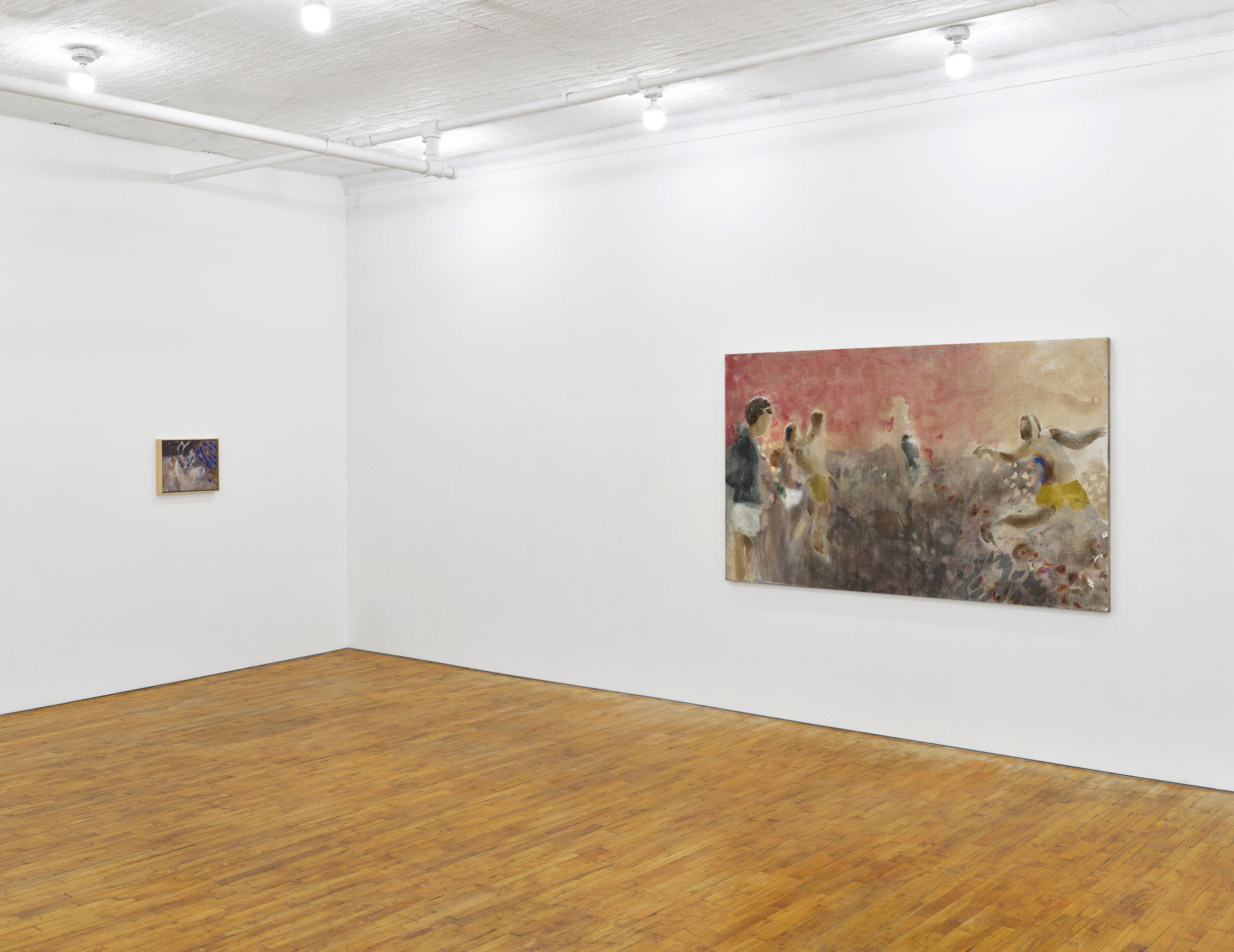
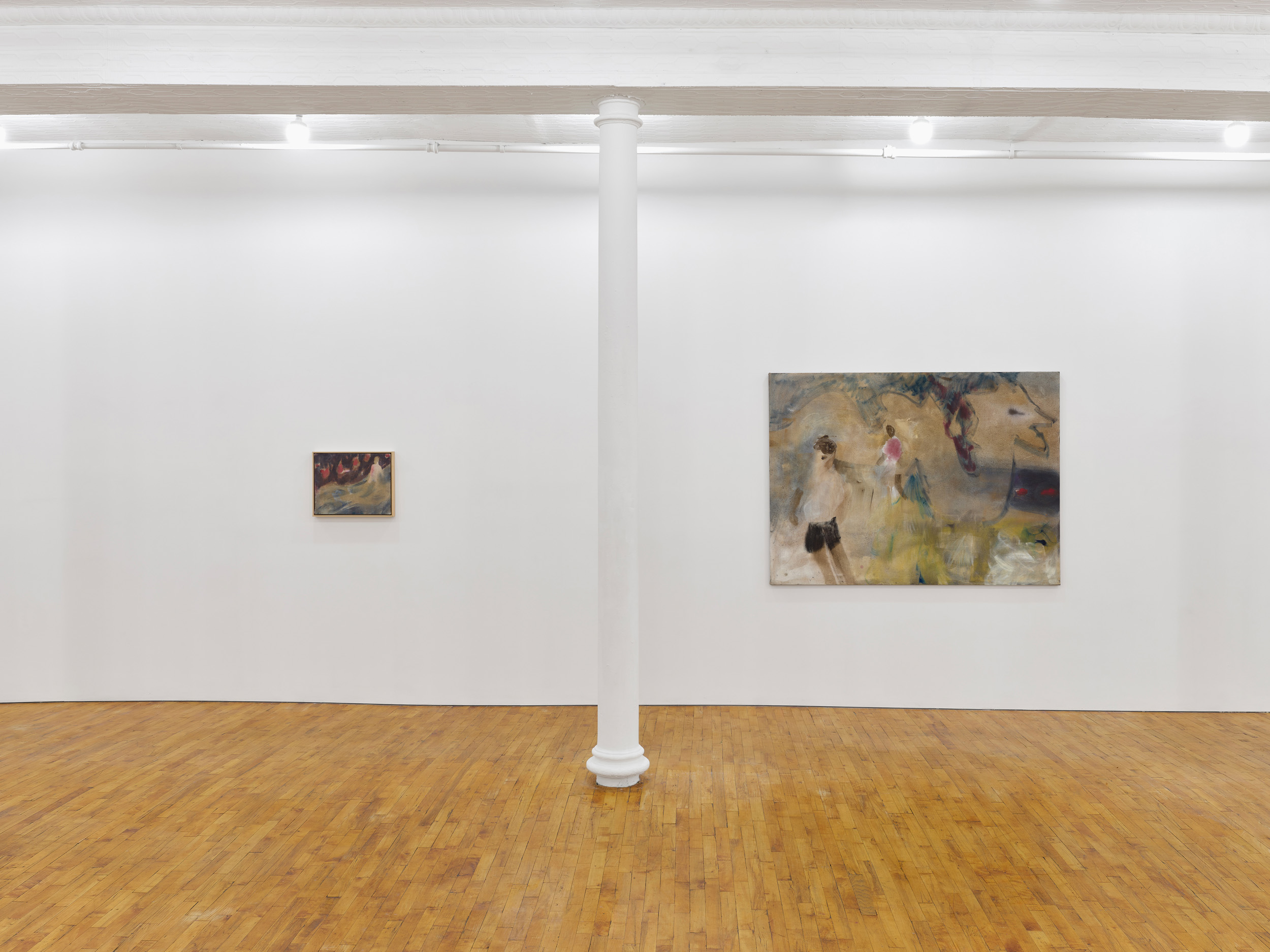
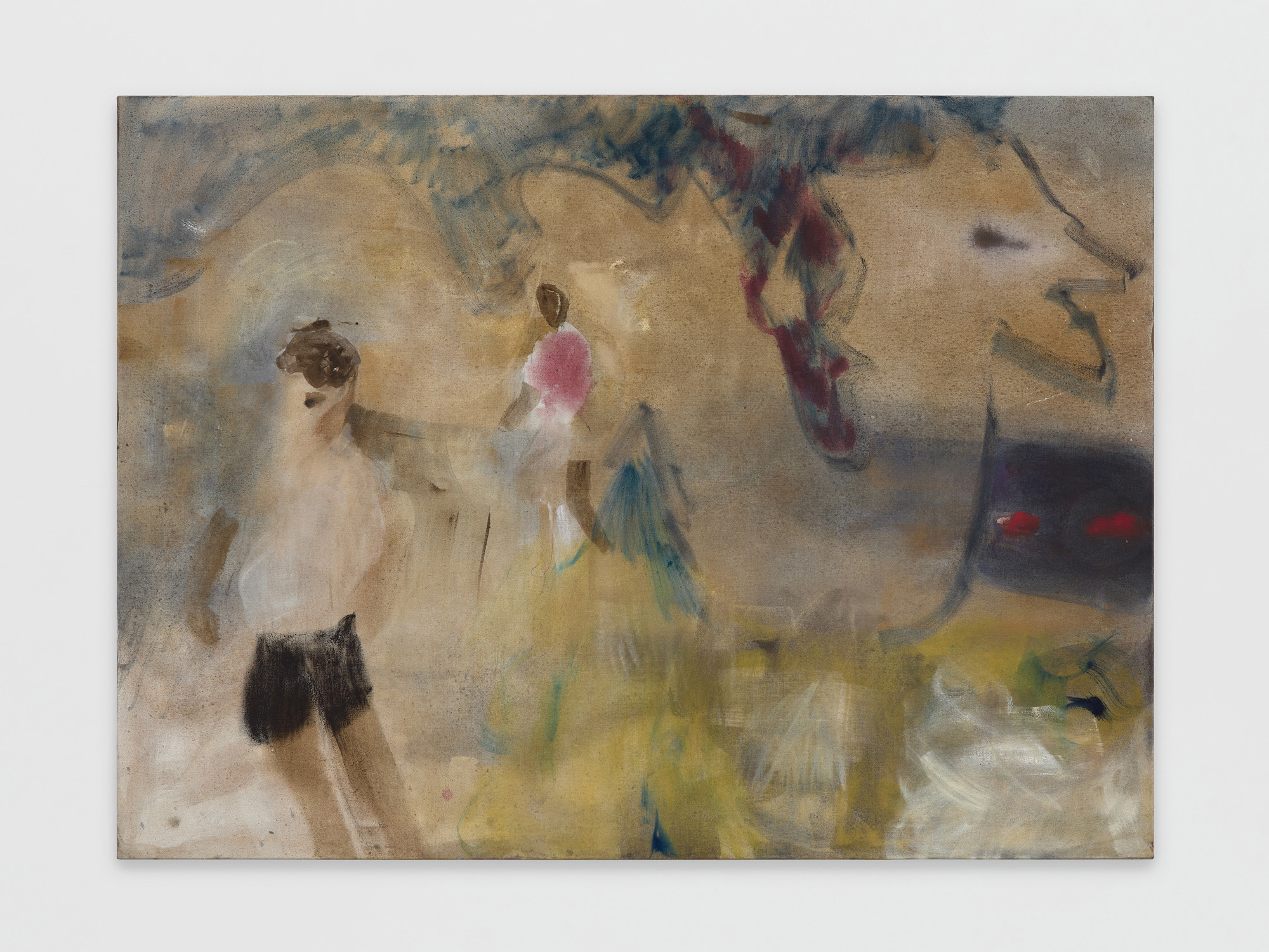
Jensen’s compositions are, correspondingly, near-hieroglyphic, ordered like the serial facades of that riparian rowhouse terrain. Many paintings on view are formed sideways, their subjects in profile or three-quarter. Children in Downhills Drift II (2026) flicker between figure and glyph. Driftwood Dragon II (2026) is a shoreline vantage, the dragon a folk-flourish lashed to a stationed riverboat. This lateralization belongs to a long pictorial tradition: the painted processions of Etruscan tombs at Tarquinia; the Parthenon's north frieze, a cavalcade chiseling rightward. No less the stuff of video games—think Skate or Die: Bad 'N Rad, small figures tracking sidelong through Game Boy greige—though the artist's world holds a complexity well beyond the remit of 8-bit trick mechanics.
Accorded that general order, Jensen's surfaces are also counter-optical fields, largely irreducible to a fixed perspectival locus. The figures that populate them are equally characters and grid events, vertical and diagonal slashes interrupting his generally lateral washes. One finds an analogue in Hammershøi's interiors, in which women seen from behind are doing something indecipherable, but mostly to the painting. Rückenfiguren. The figure-from-behind carries a long Romantic provenance, canonical in Friedrich and Menzel, though the device is older still, already alive in devotional fresco, in the saints turned to gaze on apparitions long inexpressible in paint. It installs a surrogate inside the picture, compelling one to look with a figure rather than at her, a demanding theatricality that withholds the psycho-spiritual sympathies of a face.
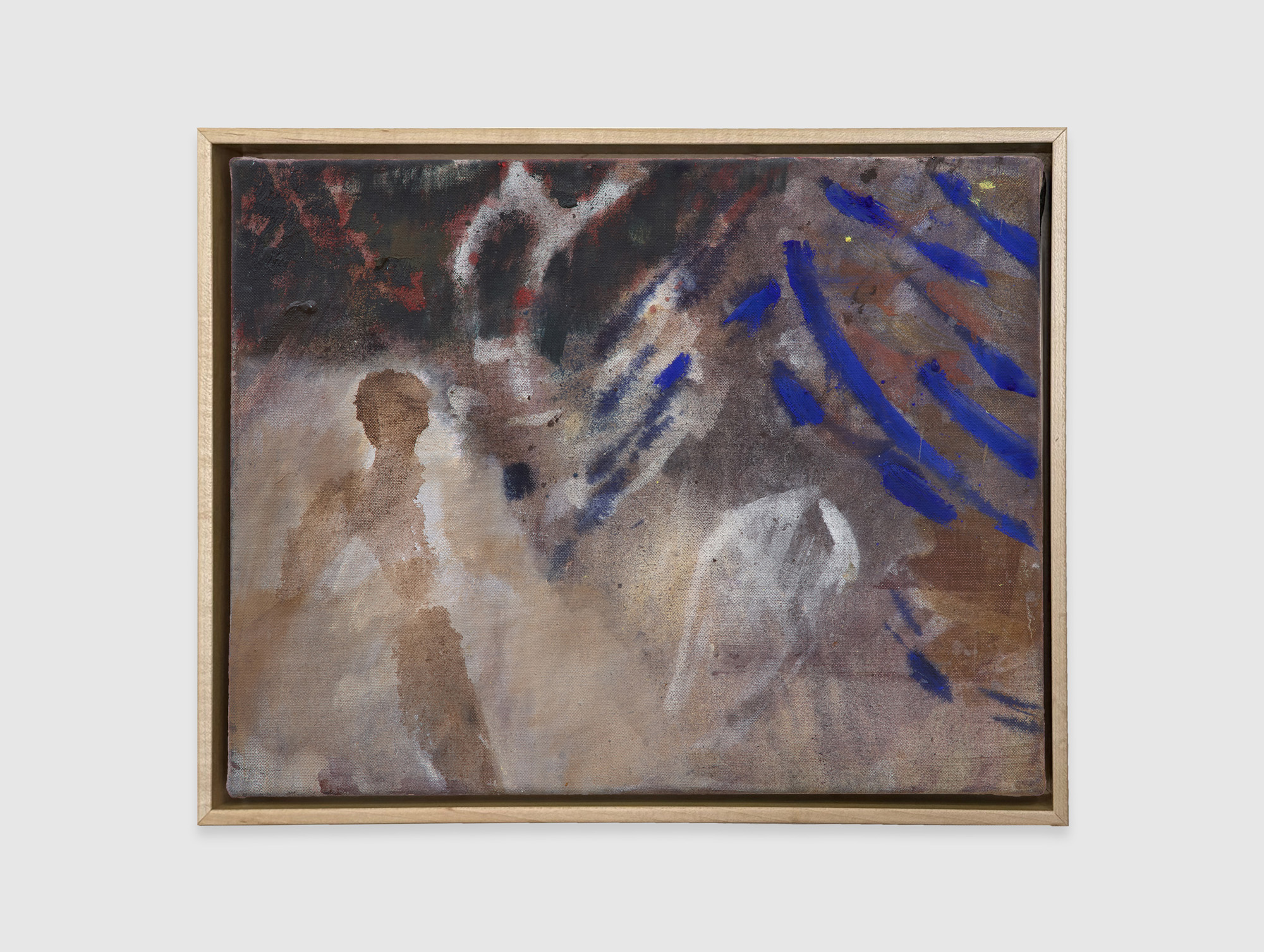
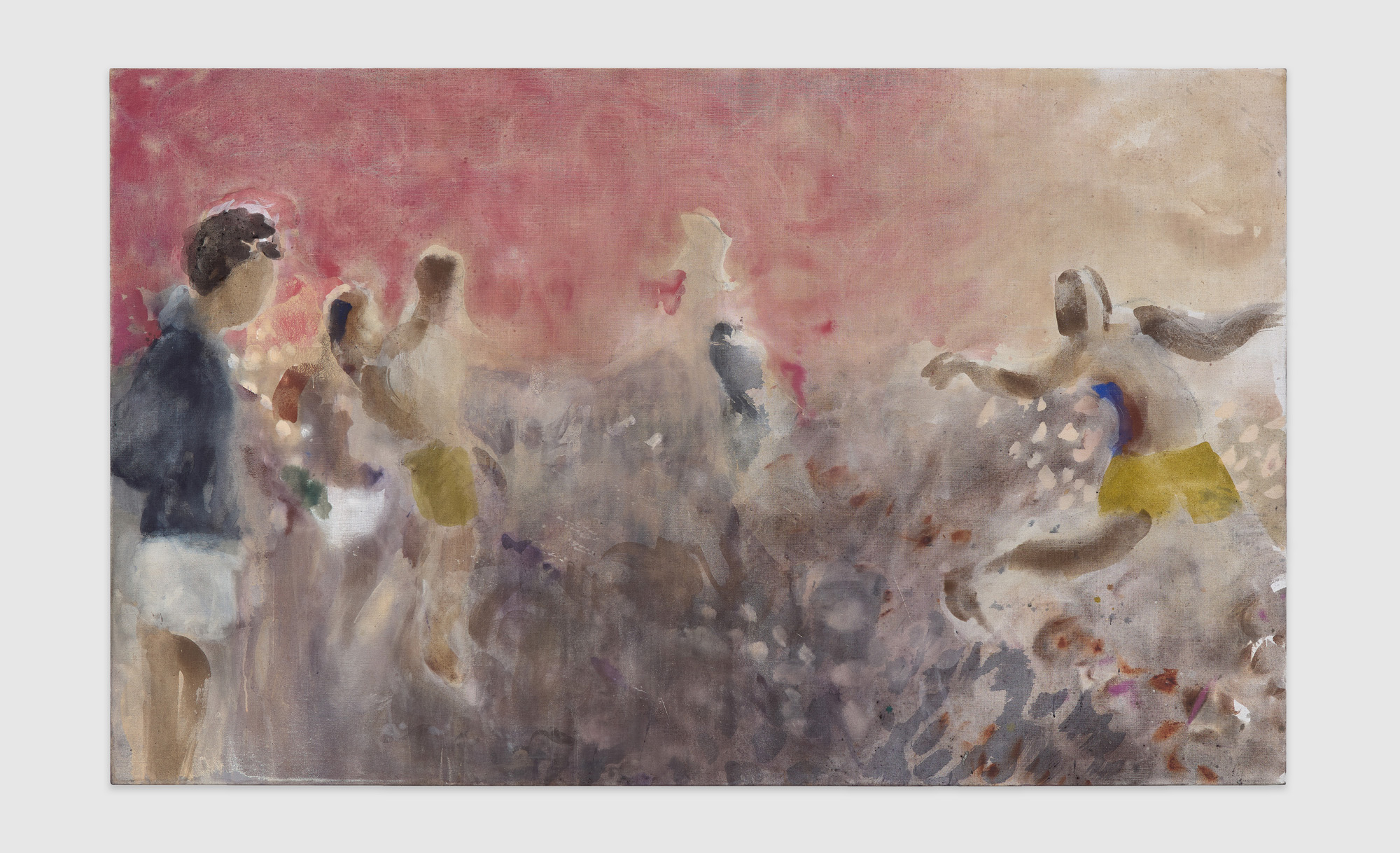
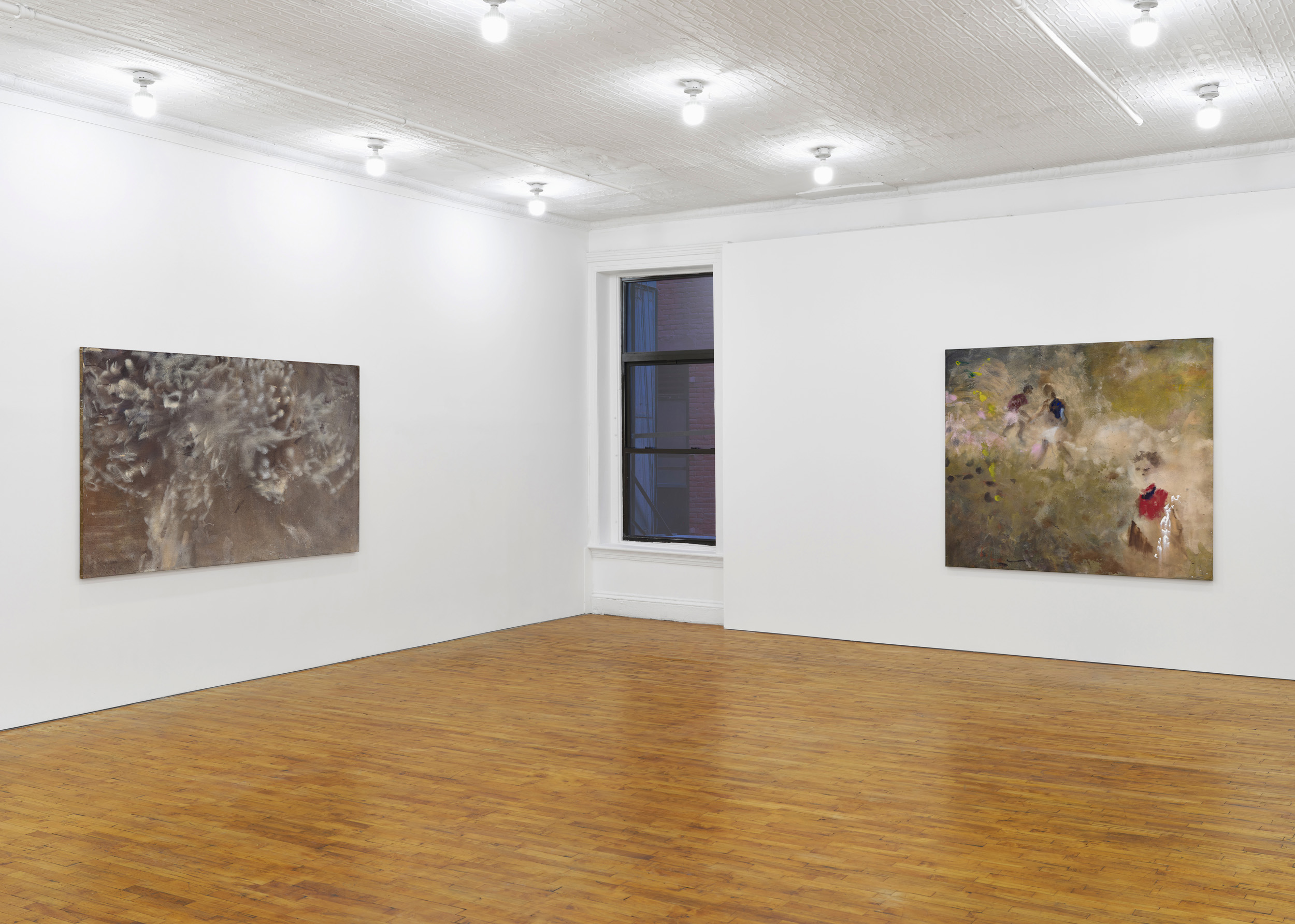
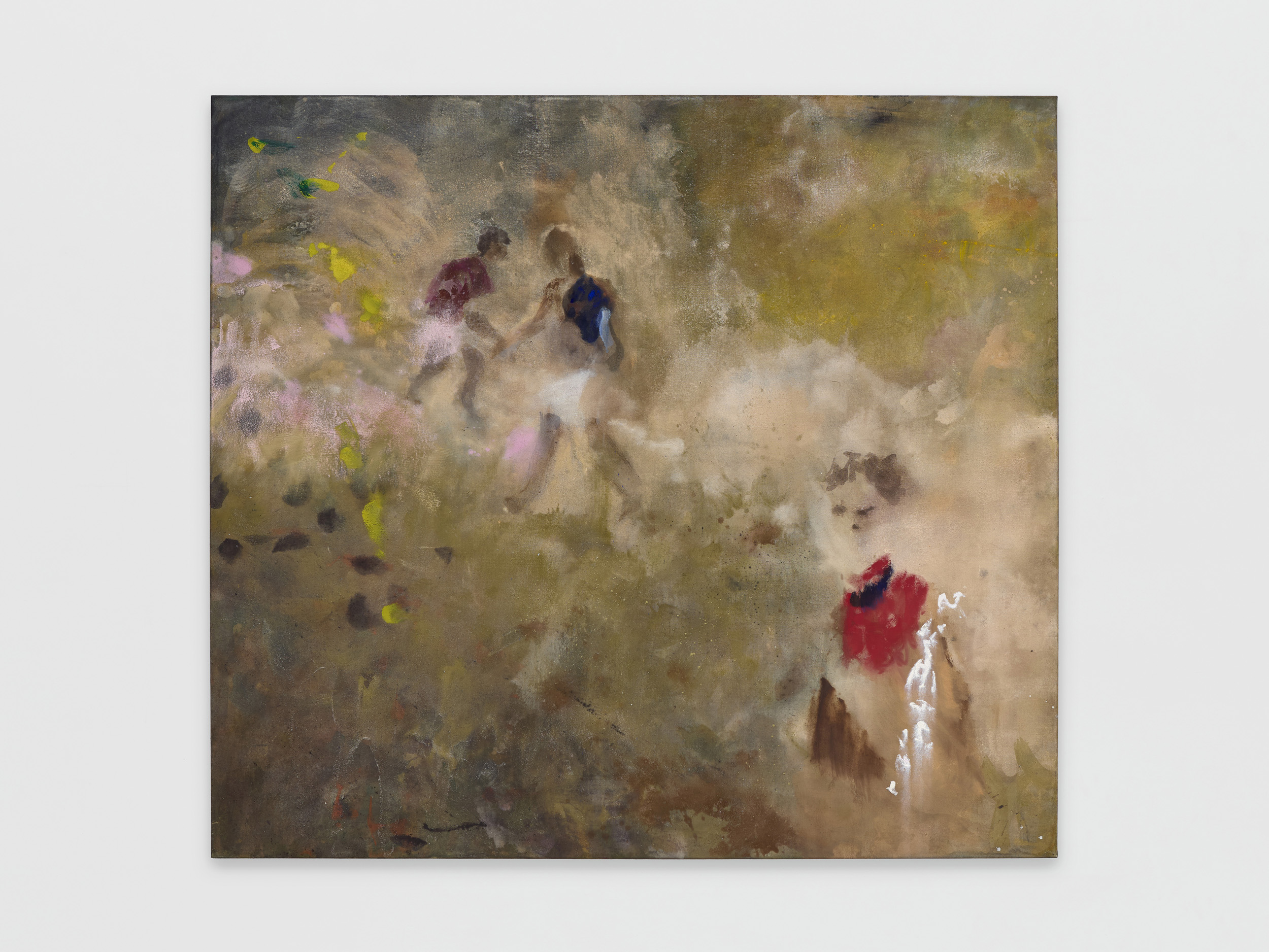
In Swallow the Ground the figural surrogate is most often a child, attention angled outward into the marsh, fastening to a smear of red or to some concrete particular entering its evanescence, momentary as lightning. Sometimes wholly absent. Rings (2026), among the more abstract paintings on view, forefronts the startle of color: cobalt and a dark snarl of foliage thrown across a soft taupe ground, the white strokes off-legible as wakes on water closing over. Under the bruise-pink sky of Far Park V (2026), the fifth dreamlike recursion of the painting, children mass at play while the ground stays soluble beneath them, running beneath runners running, the painting repeating itself as the children repeat their game. Play, we're told, repeats itself.
History does too, for there were almost always children in the making of pictures: the young hands that ground the pigment and laid the grounds, that worked the giornate, day-sized patches of wet plaster a painter aimed to finish before the lime set, and went on, as unnamed apprentices, completing the backgrounds of churches and theatres. Jensen's children are synecdochic of a counter-economy of free time, the unscheduled hours trickling between the banks at the edges of urban optimization. Following Lisa Robertson’s convolving reminder in “A River,” for Mousse, “A river’s headwater or source can be another river.” Worked from earth pigments and glue, the paintings remain the product of repetitive labor, staging purposeful scenes of purposeless activity. Beyond the frame, the Lea moves north, carrying silt, and the game is lasting.